

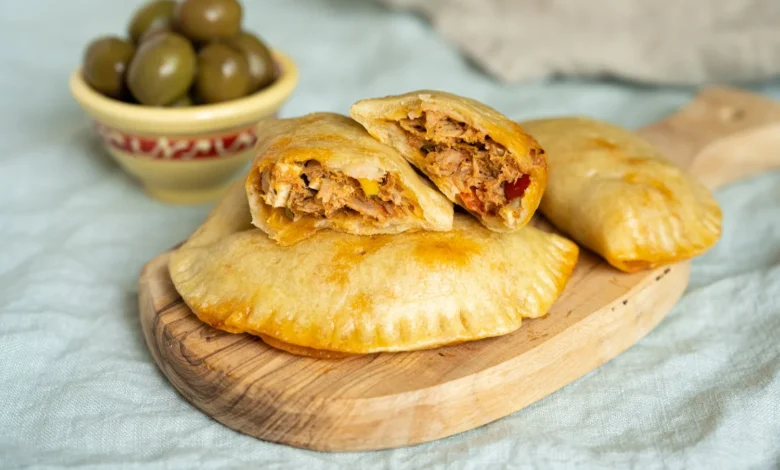
Have you ever searched for the best empanada de atún near me only to be overwhelmed by dozens of options and mixed reviews? Finding an authentic, flavorful tuna empanada can be challenging, especially when every bakery, café, and restaurant claims to serve the best version.
The good news is that truly exceptional empanadas de atún stand out through their quality ingredients, traditional preparation methods, and perfectly balanced flavors. Whether you’re craving a quick snack, a satisfying lunch, or a taste of Spanish and Latin American cuisine, knowing what makes a great empanada can help you choose the right place.
In this guide, you’ll learn what empanada de atún is, how to identify top-quality options, where to find the best ones, and expert tips for enjoying this beloved dish.
Featured Snippet Answer
The best empanada de atún near me is typically found at authentic Spanish bakeries, Latin American restaurants, specialty cafés, and artisan food markets. The best versions feature flaky pastry, high-quality tuna, fresh vegetables, flavorful seasonings, and a perfectly baked or fried crust that delivers both texture and taste.
What Is an Empanada de Atún?
An empanada de atún is a savory pastry filled primarily with tuna and other flavorful ingredients. Popular throughout Spain and many Latin American countries, it combines simple ingredients into a satisfying and portable meal.
Traditional Ingredients
Most recipes include:
- Tuna
- Onions
- Bell peppers
- Tomato sauce
- Olive oil
- Herbs and spices
- Pastry dough
Depending on regional traditions, additional ingredients may include olives, boiled eggs, garlic, or paprika.
Why People Love It
The popularity of empanadas de atún comes from:
- Rich and savory flavor
- Convenient handheld format
- Affordable price
- Versatility as a snack or meal
- Availability in many cultural cuisines
The combination of flaky pastry and savory seafood filling creates a unique culinary experience that appeals to a wide range of tastes.

The History and Background of Empanadas de Atún
Empanadas have a long culinary history dating back centuries. Historians believe the concept originated in regions influenced by Mediterranean cooking traditions before spreading across Spain and eventually Latin America.
Spanish Influence
In Spain, particularly in Galicia, tuna empanadas became a staple food due to the abundance of seafood and local baking traditions.
Key characteristics include:
- Large family-sized pies
- Olive oil-based dough
- Rich seafood fillings
- Regional variations
Latin American Adaptations
As Spanish culture spread, empanadas evolved throughout Latin America.
Different countries introduced:
- Unique spices
- Alternative cooking methods
- Distinct dough recipes
- Local ingredients
Today, empanadas de atún remain a beloved comfort food enjoyed worldwide.
How to Find the Best Empanada de Atún Near Me
Not all empanadas are created equal. Knowing what to look for can dramatically improve your dining experience.
Check Ingredient Quality
Excellent empanadas typically use:
- Premium tuna
- Fresh vegetables
- Quality olive oil
- Homemade dough
Fresh ingredients often produce noticeably better flavor and texture.
Read Customer Reviews
Look for reviews mentioning:
- Authentic taste
- Freshness
- Crispy crust
- Generous filling
- Consistent quality
Pay attention to detailed reviews rather than simply star ratings.
Visit Specialty Establishments
The best empanadas are often found in:
- Spanish bakeries
- Latin American cafés
- Family-owned restaurants
- Artisan food markets
- Gourmet bakeries
These establishments frequently prioritize authenticity and traditional preparation methods.
Observe Freshness
Fresh empanadas should have:
- Golden-brown appearance
- Pleasant aroma
- Crisp exterior
- Moist filling
Avoid options that appear dry, soggy, or overly greasy.
Key Features of an Outstanding Empanada de Atún
When searching for the perfect empanada, several qualities separate exceptional versions from average ones.
Perfect Pastry
The dough should be:
- Light and flaky
- Crisp but not hard
- Properly baked
- Golden in color
A great crust complements rather than overwhelms the filling.
Flavorful Filling
The tuna mixture should provide:
- Balanced seasoning
- Moist texture
- Fresh ingredients
- Rich flavor
Overly salty or dry fillings usually indicate poor preparation.
Ideal Filling-to-Dough Ratio
One common complaint about poor empanadas is too much dough and too little filling.
The best versions provide:
- Generous filling
- Even distribution
- Consistent texture
- Balanced bite every time
Authentic Preparation
Traditional cooking methods often result in superior flavor and quality compared to mass-produced alternatives.
Step-by-Step Guide to Choosing the Right Restaurant
Step 1: Search Local Reviews
Begin by searching local directories and review platforms.
Focus on:
- Customer photos
- Recent reviews
- Food quality comments
- Authenticity mentions
Step 2: Examine Menus
Look for restaurants specializing in:
- Spanish cuisine
- Argentine cuisine
- Latin American cuisine
- Mediterranean foods
Specialization often correlates with quality.
Step 3: Compare Ratings
Create a shortlist based on:
| Factor | Importance |
|---|---|
| Food Quality | High |
| Freshness | High |
| Authenticity | High |
| Price | Medium |
| Service | Medium |
Step 4: Try Multiple Locations
Sampling empanadas from different establishments helps identify your personal favorite.
Taste preferences vary, and discovering local gems can be rewarding.
Top Places That Commonly Serve Great Empanadas de Atún
Spanish Bakeries
These often offer:
- Traditional recipes
- Fresh daily batches
- Authentic ingredients
- Regional specialties
Latin American Restaurants
Many restaurants feature:
- Handmade empanadas
- Family recipes
- Fresh fillings
- Diverse flavor options
Food Markets
Specialty food halls frequently include vendors known for artisan empanadas.
Benefits include:
- Fresh preparation
- Competitive pricing
- Variety
- Local craftsmanship
Gourmet Cafés
Modern cafés increasingly serve elevated versions with premium ingredients and creative recipes.
Expert Tips for Getting the Best Experience
Visit During Peak Hours
Fresh batches are more likely available during busy meal periods.
Ask About Preparation
Don’t hesitate to ask:
- Are they made daily?
- Are they baked or fried?
- What ingredients are used?
- Which flavor is most popular?
Pair with Complementary Foods
Popular pairings include:
- Fresh salads
- Soups
- Coffee
- Iced tea
- Sparkling beverages
Try Regional Variations
Different regions offer unique interpretations that may become your favorite.
Pros and Cons of Empanada de Atún
Pros
- Delicious and satisfying
- High in protein
- Portable and convenient
- Available in many restaurants
- Suitable as a snack or meal
- Rich culinary heritage
Cons
- Quality varies significantly
- Some versions can be high in calories
- Fresh options may sell out quickly
- Authentic establishments may be harder to find
- Premium versions can cost more
Common Mistakes When Searching for Empanadas
Many diners make avoidable mistakes.
Choosing Based Only on Price
The cheapest option is not always the best value.
Ignoring Reviews
Customer feedback often reveals important quality indicators.
Overlooking Specialty Shops
Independent bakeries frequently outperform larger chains.
Not Trying Multiple Locations
Sampling several options increases your chances of finding exceptional empanadas.
Also Read: #BeaconSoft Latest Tech Insights That Could Change Everything
Conclusion
Finding the best empanada de atún near me involves more than selecting the nearest restaurant. Quality ingredients, authentic preparation methods, fresh baking, and positive customer feedback all contribute to an outstanding experience.
Whether you choose a traditional Spanish bakery, a family-owned Latin American restaurant, or an artisan food market, focusing on freshness and authenticity will help you discover empanadas that truly exceed expectations. The next time you’re craving a savory, satisfying meal, use these tips to find a tuna empanada worth remembering.
Frequently Asked Questions
1. What is inside a traditional empanada de atún?
A traditional empanada de atún usually contains tuna, onions, bell peppers, tomato sauce, olive oil, and seasonings wrapped inside a pastry crust. Some regional recipes also include olives, boiled eggs, garlic, or paprika for additional flavor and texture.
2. Is empanada de atún healthy?
Empanada de atún can be a nutritious option because tuna provides protein, vitamins, and minerals. Healthiness depends on ingredients and cooking methods. Baked versions are generally lower in calories and fat than fried alternatives.
3. Where can I find authentic empanada de atún?
Authentic empanadas de atún are commonly found at Spanish bakeries, Latin American restaurants, artisan food markets, and specialty cafés. Reading customer reviews and checking for traditional preparation methods can help identify the best options.
4. Are empanadas de atún baked or fried?
Both methods are popular. Spanish-style empanadas are often baked, creating a flaky crust. Many Latin American variations may be baked or fried depending on local traditions and recipes.
5. What should a good empanada de atún taste like?
A quality empanada de atún should have a crisp pastry exterior and a flavorful filling that balances tuna, vegetables, and seasonings. The filling should be moist without being soggy, and the crust should remain light and flaky.
6. How much does a typical empanada de atún cost?
Prices vary by location, ingredients, and restaurant type. Standard empanadas are generally affordable, while gourmet or artisan versions may cost more due to premium ingredients and handcrafted preparation.