
Have you ever spent hours developing killer content just to see it languish? You’re not alone. The majority of creators get the writing component right, but fail to get eyes on the work. Therein lies a fine content distribution system–your little secret to finding the right people without exhausting yourself.
It is not as difficult as it may seem. Consider it to be an oiled machine that automatically drags your work through channels. This is facilitated by websites such as YouTubeStorm that simplify video promotion but it all begins with strategy.
Map Out Your Audience First
Know who you are speaking to before you put on the hit publish button. Take a notebook or spreadsheet and write their hangouts: Instagram to get some quick tips, LinkedIn to find professionals, email to find loyal fans. Question: Where do they roll during lunch? What are the issues that keep them awake at night?
This isn’t guesswork. Identify trends with free analytics on your site or socials. Tik Tok and YouTube should be prioritized in case your crowd keeps into video breakdowns. Customize formats to suit–mobile users: short clips, newsletters: deep dives.
Pick Your Channels Wisely
Don’t spray and pray. Select 3-5 sites at most where your audience resides. Sloppy posts and zero traction are caused by overloading.
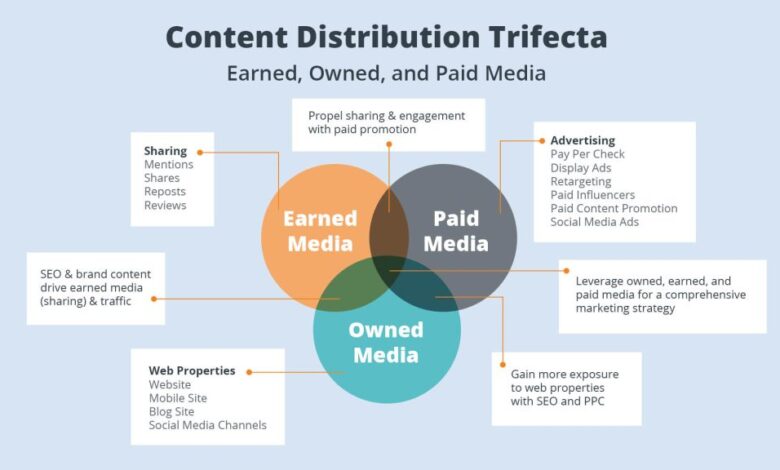
Begin with owned: your site, email, and social pages. Then stack in the earned ones such as guest spots or shares on influencers. Paid boosts? They make easy money like gold-digger – consider targeted Facebook ads less than half-a-buck to test headlines.
One blog turned into five bits of content – like a Twitter thread, an Instagram carousel, an email piece, a quick YouTube video, then a slice of a podcast. Since trying that, attention tripled.
Automate the Heavy Lifting
Start by treating broken routines like sketches, not failures. Wise choices grow best when they feel light, almost playful. Try building your plan inside Google Sheets or maybe Notion – just one opening each week, per platform. On Mondays, gather ideas and words; Tuesdays handle the timing part.
Tools are not magic, but mere tools. Posts in buffers or Hootsuite on multiple platforms. Drip marketing such as Mailchimp can provide value to subscribers without having to work on it daily. Measure what succeeds with UTM links – adjust by the number of clicks, not guesses.
Repurpose Like a Pro
Ten pieces are motivated by one piece of content. Turn a blog into:
- Video summaries for YouTube
- Infographics for Pinterest
- Quotes for Stories
- Threads for debates
This overstretches you. One how-to manual made my best lead magnet after chopping it into social bites.
Measure and Tweak Relentlessly
Without feedback what’s a system? Take a deeper plunge into metrics every week: views, shares, sign-ups. Such tools as Google Analytics reveal the big picture. In case emails translate yet social flops, change direction.
A/B A/B style of test headlines: One punchy, one curious. Congratulate even minor successes, such as a 10 percent increase in open rate, and redoubtable.
I have spent months of trial and error building this system but content is flowing now, and the traffic and sales are being generated. Mine can as well–begin small, find your way, and see your reach take off. The real payoff? Liberation to produce more, worry less.
Conclusion
To sum it up, developing a content distribution system is not the case of working harder but smarter with a clear framework. When you have mapped your audience, selected the correct platforms and consistently repurposed and automated your content, everything begins to flow with a lesser effort. Consistency and tracking what works are the actual power. In the long run, this system will make scattered posting a predictable growth, visibility, and long-term digital success engine.